FoodLoop
A mobile app connecting surplus food from local businesses with families and individuals in need through a dignified shopping experience
FoodLoop prototype: Dual-sided shopping and business interface
Transforming food waste into dignified access
Developed as a class project for Interaction Design Principles, FoodLoop tackles UN Sustainable Development Goal 2: End hunger, achieve food security and improved nutrition and promote sustainable agriculture, through a mobile app. The app connects restaurants, grocery stores, and cafes that have surplus food with local families, shelters, and individuals experiencing food insecurity. Instead of discarding food at the end of the day, businesses can list surplus items, and verified users can browse and select meals or groceries for free with pickup or delivery options. I focused on creating a normalized shopping experience that treats food access as a choice, not a handout.
From research to dual-sided platform
Research
Competitor Analysis
User Interviews
Personas
User Needs
Pain Points
Ideation
Wireframing
Feature Planning
Design
Visual System
Dual Flows
Prototyping
Shopper Experience
Business Dashboard
Designing dignity into food assistance
Food insecurity affects millions, yet existing food assistance programs often feel stigmatizing or limiting. Surplus food is wasted daily while people go hungry. The challenge was designing a platform that reduces food waste while preserving user dignity through choice, familiarity, and a normalized shopping experience rather than creating another charity-focused interface.
Understanding the competitive landscape
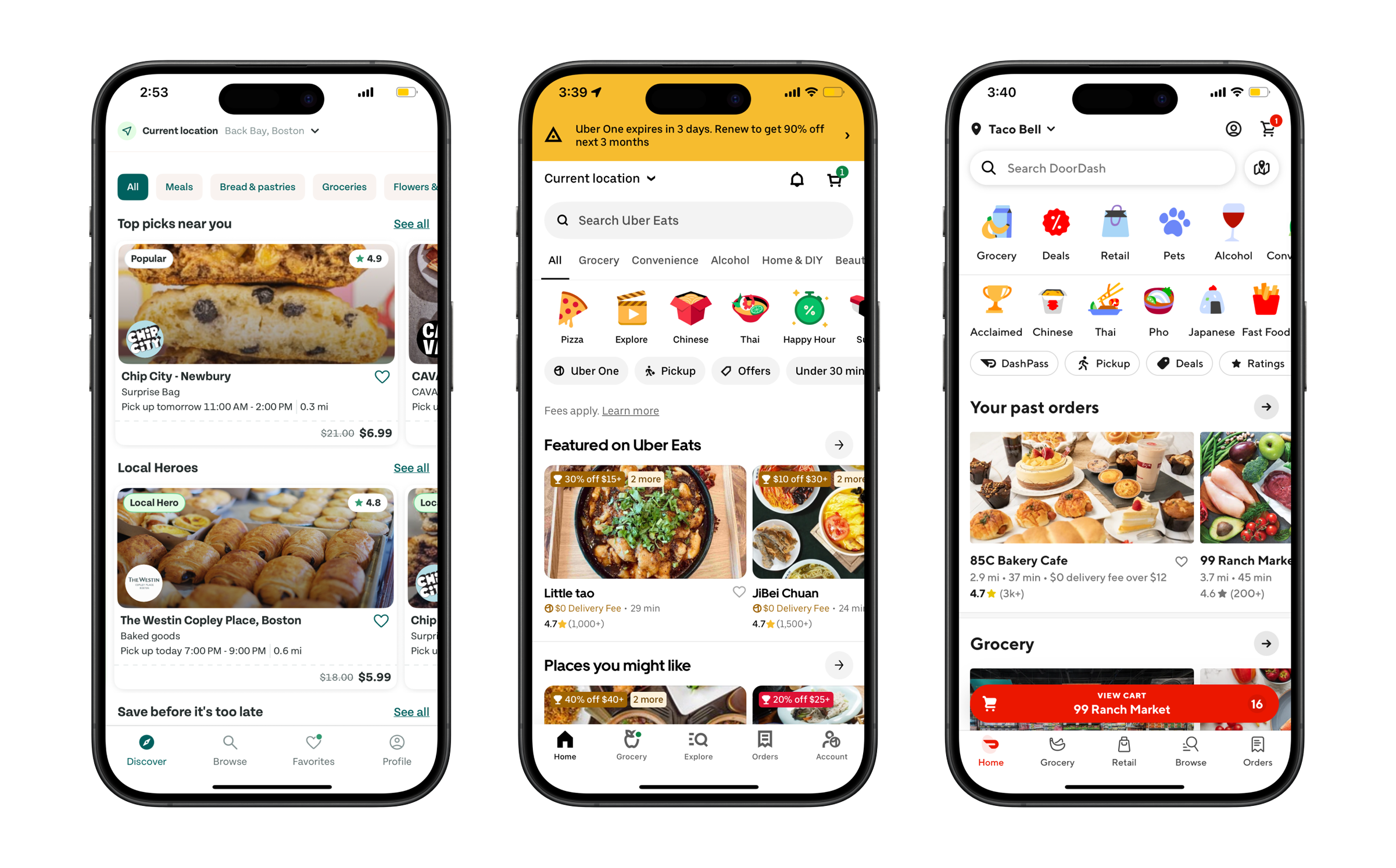
I analyzed existing food apps including Too Good To Go, DoorDash, and Uber Eats to identify opportunities for differentiation and user-centered design.
Competitor Insights
Too Good To Go reduces food waste effectively but lacks accessibility for those experiencing food insecurity.
- Strengths: Established surplus food model, wide business adoption
- Limitations: Requires payment, surprise bags limit user choice, not designed for food assistance
DoorDash & Uber Eats provide familiar, choice-driven shopping experiences but serve a different market.
- Strengths: Intuitive browsing, item selection, normalized shopping interface
- Limitations: Paid services, not focused on food security or surplus redistribution
Our Differentiation: FoodLoop combines the surplus food model of Too Good To Go with the dignified, choice-based shopping experience of DoorDash and Uber Eats, making it accessible to verified users experiencing food insecurity at no cost.
User Research
We conducted interviews with individuals experiencing food insecurity to understand needs, barriers, and dignity concerns. Key insights included:
- Users desired choice and autonomy in selecting food items rather than receiving predetermined bags
- Many felt stigmatized by traditional food assistance programs and preferred normalized, app-based experiences
- Verification processes needed to balance accessibility with preventing misuse of resources
These insights shaped our dual-sided platform design with verification flows, individual item selection, and familiar shopping patterns.
Designing for diverse needs on both sides

Maria - Single Parent
A single mother working two part-time jobs to support her two children. She receives SNAP benefits but often struggles to make ends meet. Maria values being able to choose nutritious foods her kids will actually eat rather than receiving pre-selected items.

David - Shelter Coordinator
Manages a local homeless shelter and regularly needs to source meals for 30-50 people. He appreciates having access to surplus food from local restaurants but needs a reliable, efficient system to coordinate pickups and deliveries.
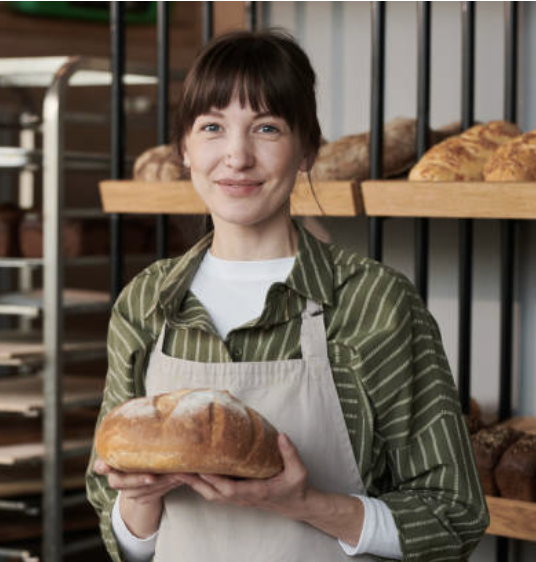
Sarah - Cafe Owner
Owns a small cafe that produces fresh pastries and sandwiches daily. She hates wasting unsold items at closing but lacks an efficient way to donate them. Sarah wants a simple platform to list surplus food and contribute to her community.
These personas informed both the shopper verification process and the business dashboard design, ensuring the platform serves both sides effectively.
Familiarity creates dignity
Our core design principle was intentional familiarity. We received feedback that FoodLoop felt "too similar" to apps like DoorDash and Uber Eats, but this was precisely our goal. By designing an interface that mirrors mainstream food delivery apps, we normalize the experience of accessing food assistance.
Users shouldn't feel they're using a "charity app." They should feel they're shopping, just like anyone else browsing restaurant menus or grocery items. This design decision prioritizes psychological dignity alongside functional food access.
Brand Identity & Visual System
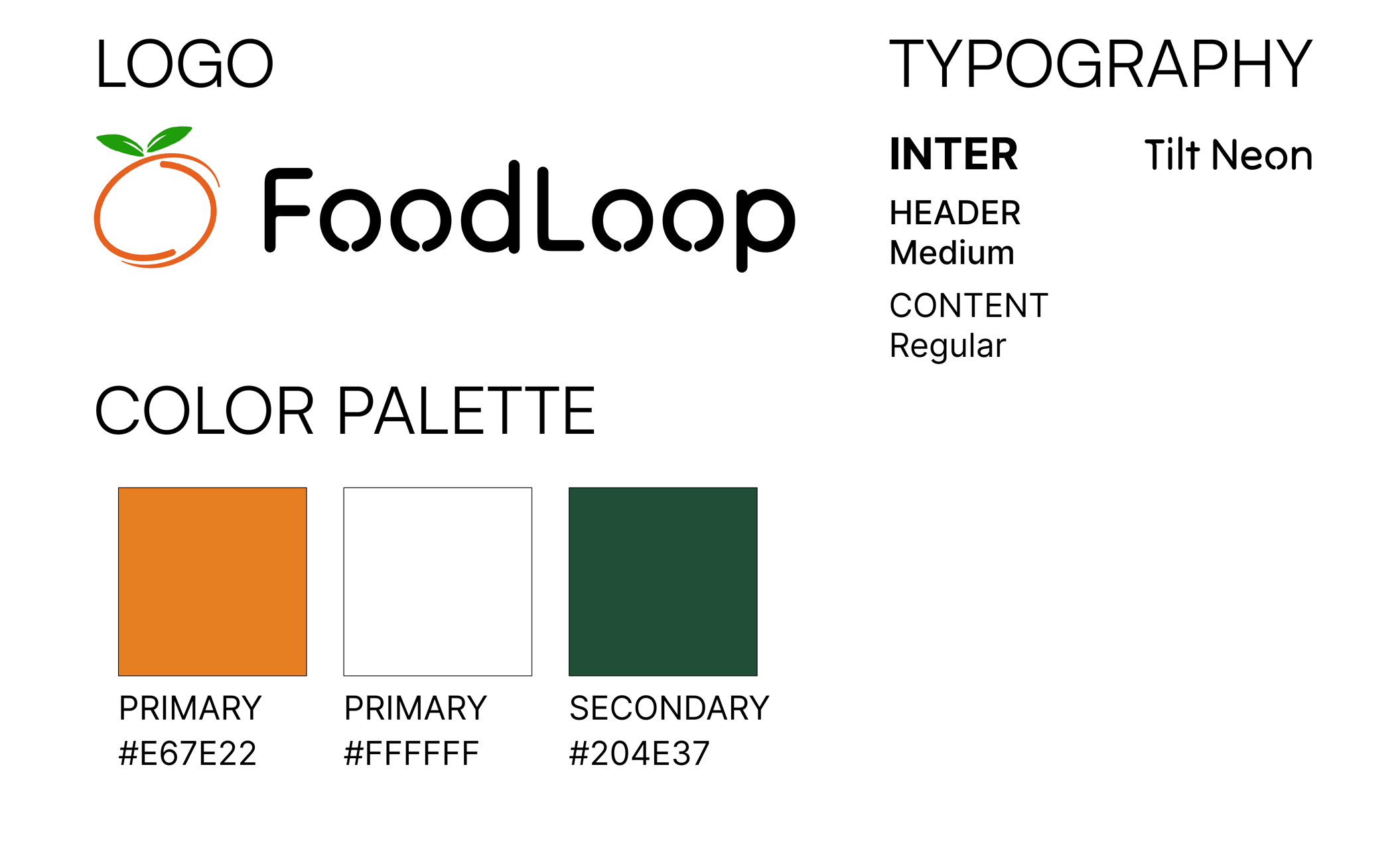
The FoodLoop brand centers around an orange as the logo, a symbol that connects multiple meanings essential to our mission. The orange incorporates both our primary colors (orange and green), visually represents the circular "loop" of food redistribution, and serves as a recognizable food item, reinforcing the platform's purpose.
Our color palette was chosen intentionally: vibrant orange (#E67E22) conveys energy, warmth, and approachability, while deep green (#204E37) represents growth, sustainability, and environmental consciousness. Together, they communicate both the urgency of food insecurity and the sustainable solution FoodLoop provides.
Typography reinforces accessibility and approachability. We selected Inter for body text and interface elements due to its exceptional readability and neutral, modern aesthetic that supports the normalized shopping experience. For the logo, TiltNeon was chosen specifically for how its letterforms—particularly the "O" with its distinctive gap—visually echo the loop concept central to our brand identity.
Dual-Sided Experience
FoodLoop required designing two distinct but complementary experiences:
Shopper Side:
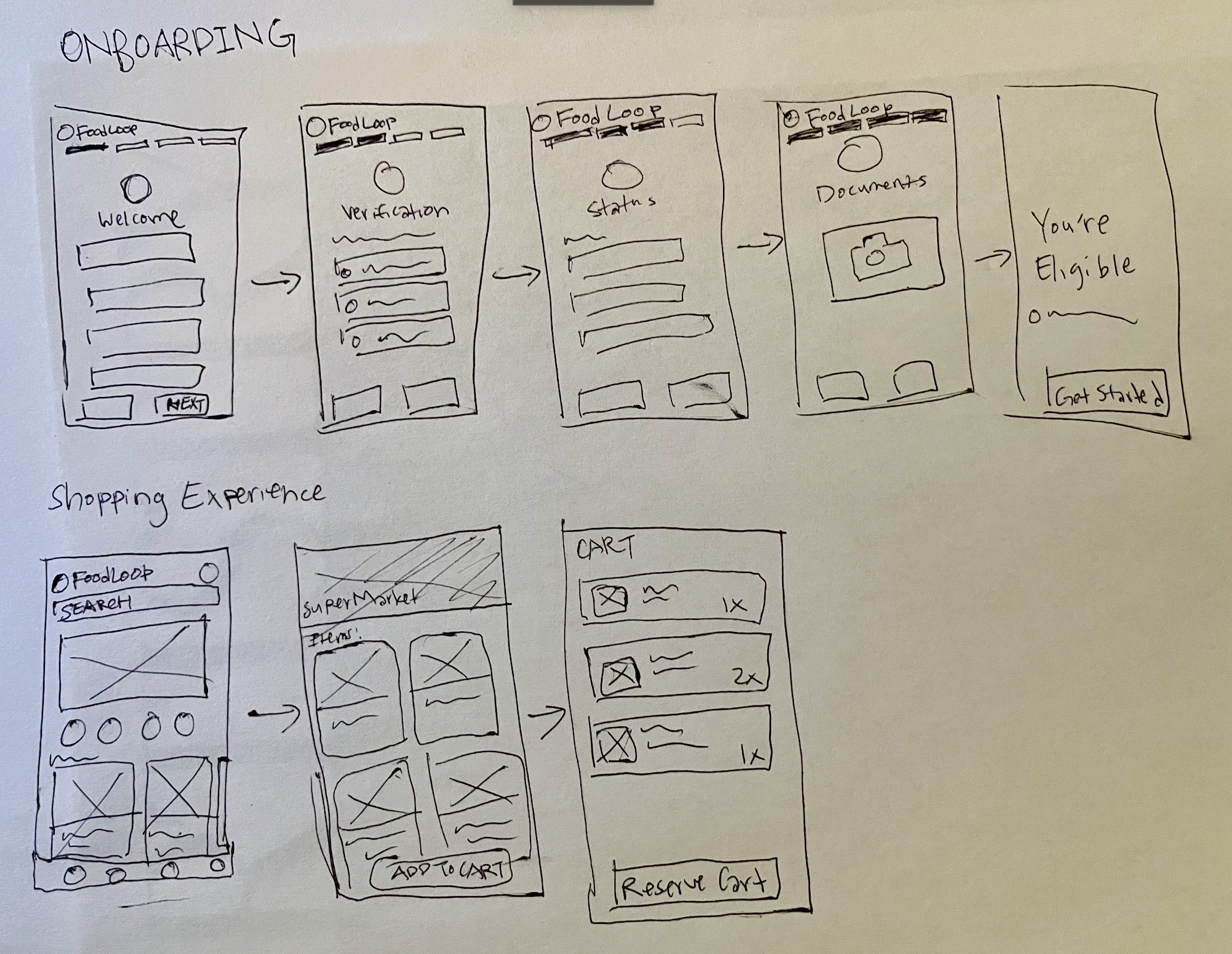
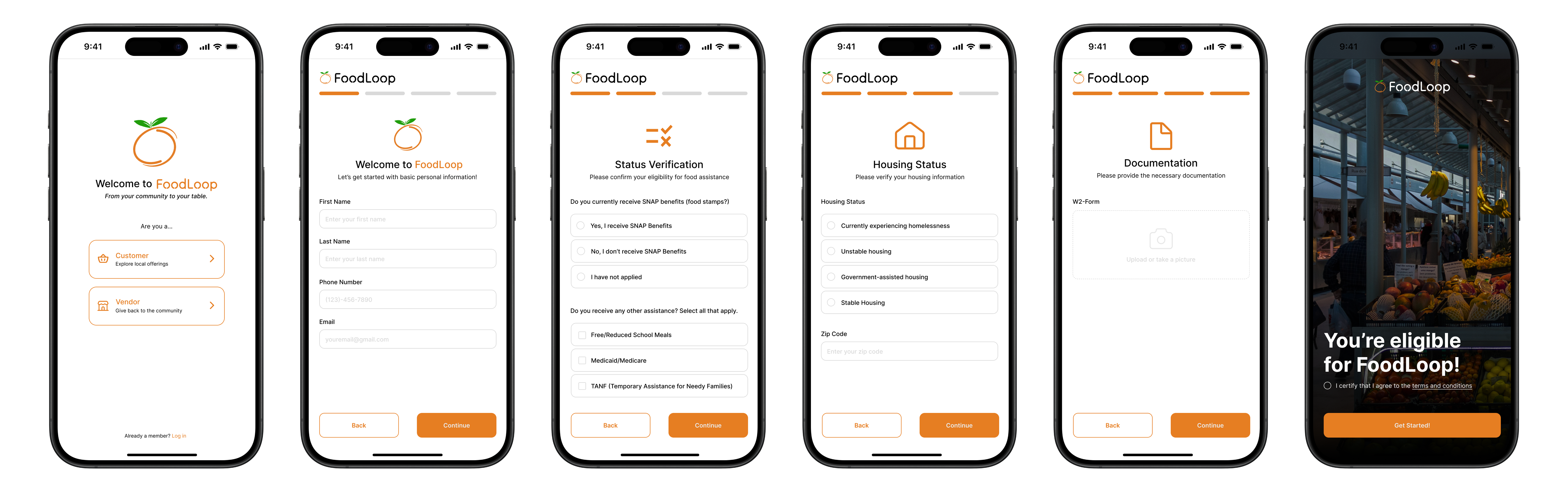
- Verification-based onboarding with questions about SNAP benefits, housing status, and document uploads
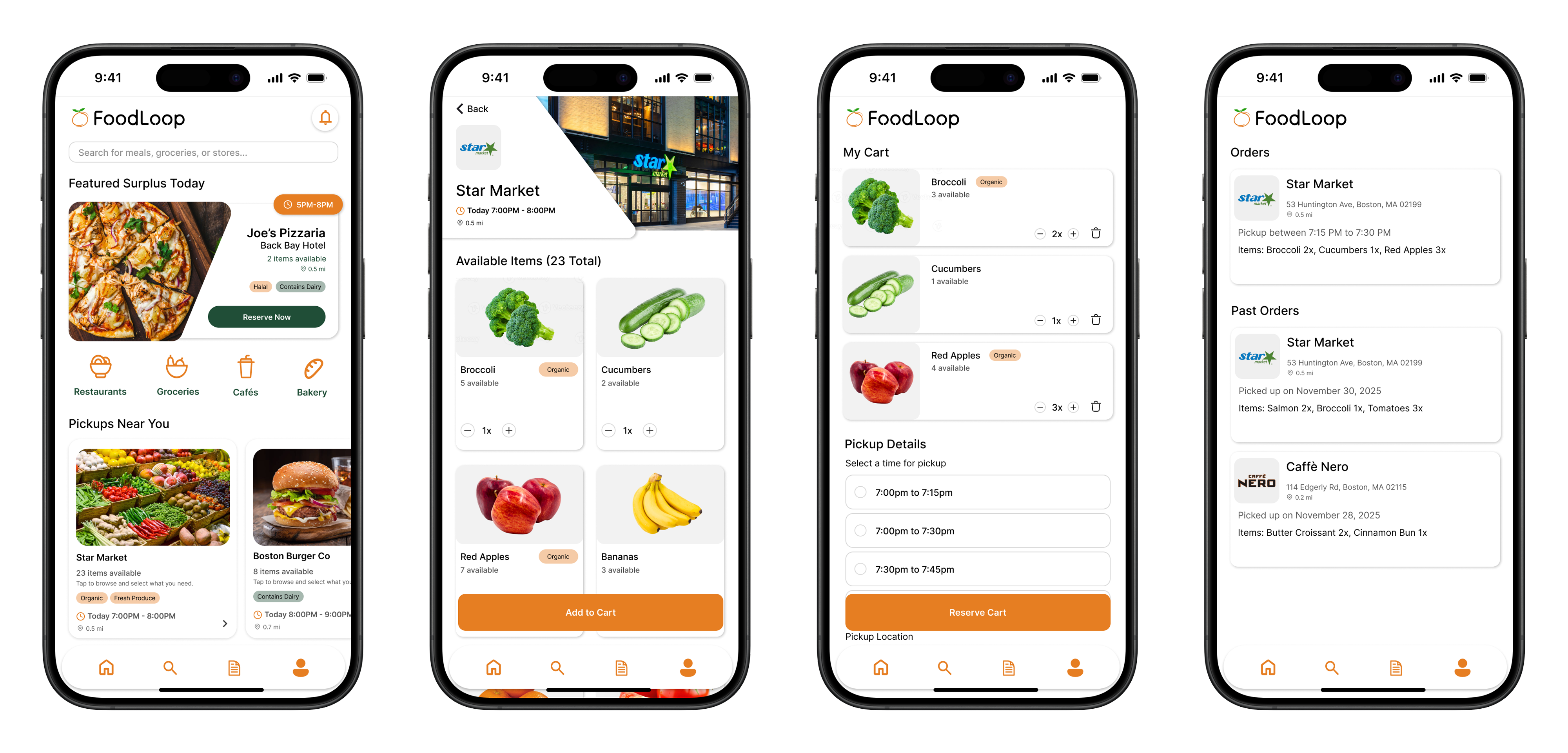
- Familiar browsing and item selection interface mirroring food delivery apps
- Individual item choice rather than pre-selected bags
- Pickup and delivery options with scheduling
Business Side:
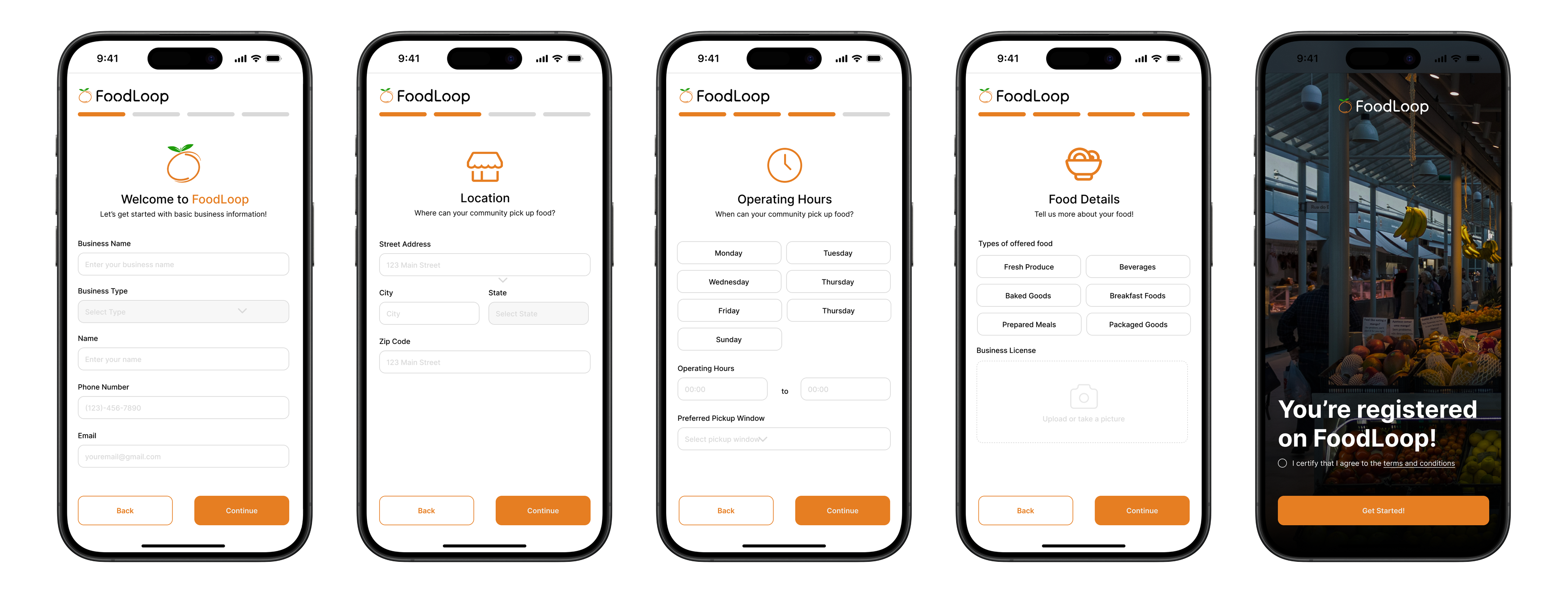
- Streamlined onboarding with business information, operating hours, and license verification
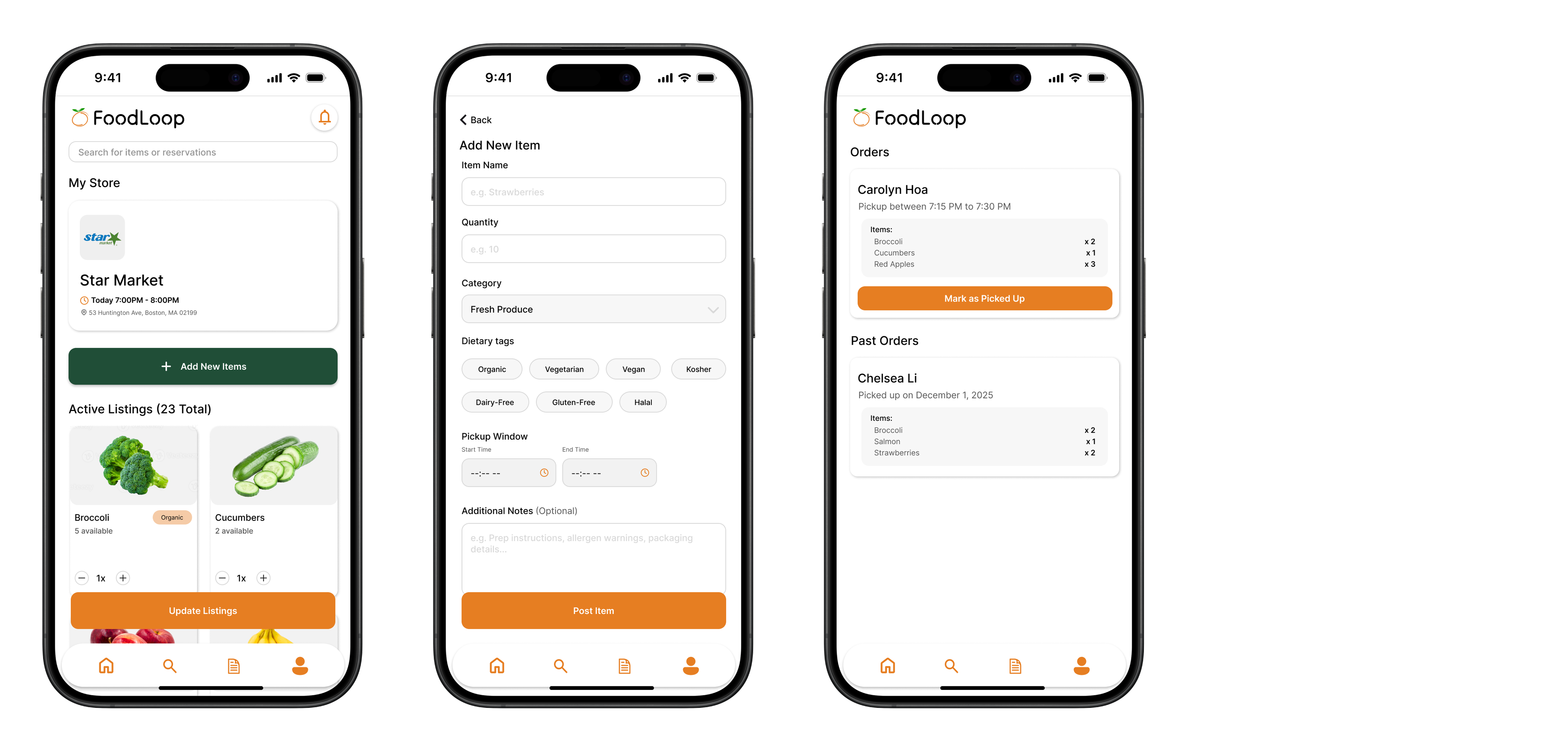
- Simple dashboard to list surplus items with photos, quantities, and availability windows
- Order management and pickup coordination tools
- Impact tracking showing waste reduction and community support
Verification & Access
To ensure resources reach those in need while maintaining dignity, we designed a one-time verification process. Shoppers provide documentation of food insecurity indicators (SNAP enrollment, housing status, income verification) during onboarding. Once approved, they access the full platform without repeated verification, maintaining the normalized shopping experience.
Bridging food waste and food insecurity with dignity
FoodLoop successfully addresses UN SDG 2 while prioritizing user dignity through intentional design choices.
- Created dual-sided platform serving both shoppers experiencing food insecurity and businesses with surplus food
- Designed verification-based onboarding flows balancing accessibility with resource protection for both user types
- Built familiar shopping interface mirroring mainstream food apps to normalize food assistance experiences
- Enabled user choice and autonomy through individual item selection rather than predetermined surprise bags
- Developed cohesive brand identity with purposeful color palette, logo symbolism, and typography choices
- Developed end-to-end flows for browsing, selecting, scheduling pickup/delivery, and business item management
Designing for dignity and social impact
This project taught me that social impact design isn't just about solving problems; it's about how people feel while using solutions. The decision to intentionally mirror familiar food delivery apps, despite feedback about similarity, reinforced the importance of advocating for design choices that prioritize user dignity over novelty.
Working on a dual-sided platform challenged me to balance distinct user needs while maintaining design cohesion. I learned to design verification processes that protect resources without creating barriers, and to use familiar patterns as a tool for normalization and accessibility rather than viewing them as limitations.
FoodLoop demonstrated how thoughtful UX decisions can transform stigmatizing experiences into empowering ones, making food assistance feel like shopping rather than charity.
 Previous Project
